Booking choice: The 7-tasting Old San Juan food walk, from $140 per person. Check dates Compare the options below
You can eat well in Old San Juan without a plan, but a short list of dishes saves you from the generic burger and shows you what the island eats.
The dish descriptions below come from the Wikipedia entry on mofongo, the Wikipedia entry on alcapurrias, the Plate PR article on the pastel and the Secret Food Tours street food article, and the tasting lists come from the live Viator listings. The prices guide covers what each tour includes.
The quick answer
Order mofongo first, then alcapurrias and bacalaítos from a fryer, a pastel if it is Christmas season, a mallorca or quesito with coffee, and a piña colada. The 7-tasting walk lists mallorca, pasteles, mofongo, an empanadilla, chocolate and a cortado, and the sunset walk offers up to 10 tastings.
What is mofongo, and should you order it?
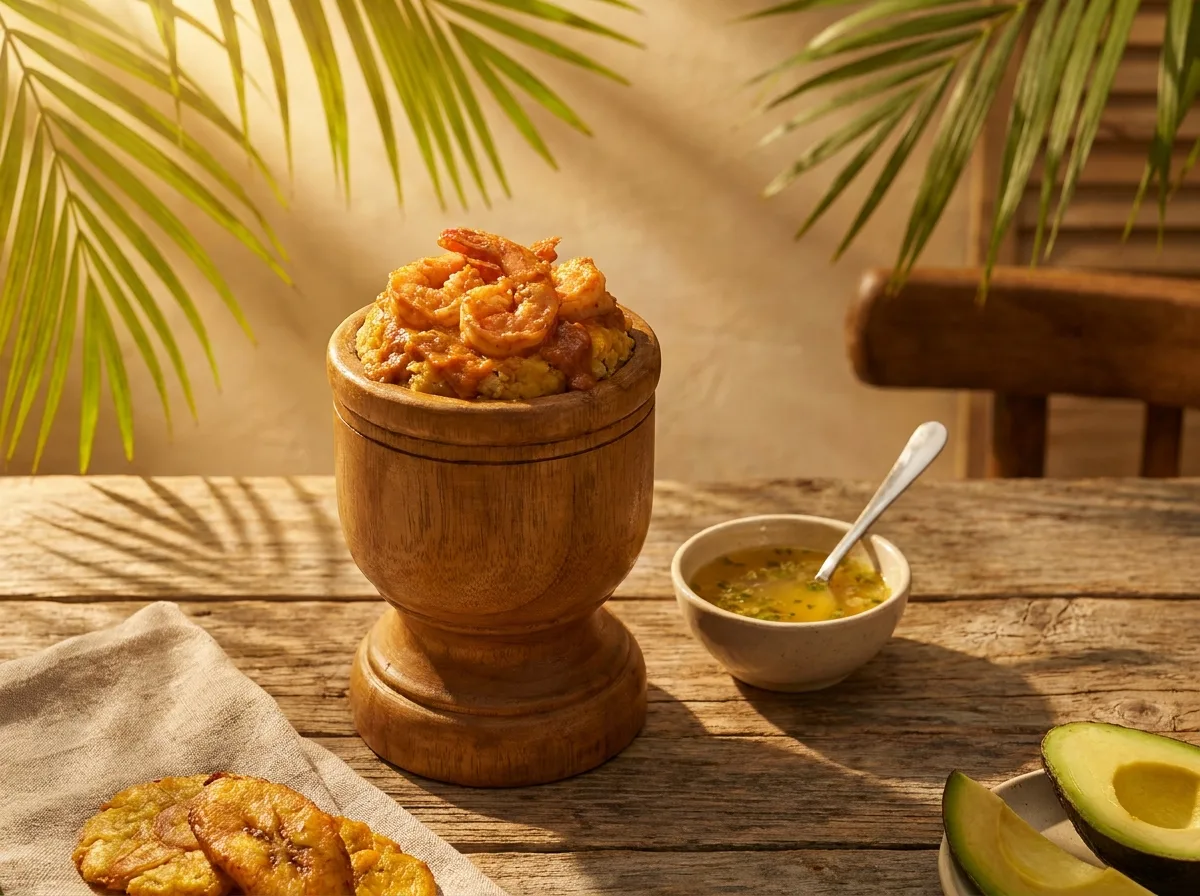
Yes. Mofongo is green plantain fried, then mashed with garlic and pork cracklings in a wooden mortar, and it is the dish people mean when they say Puerto Rican food.
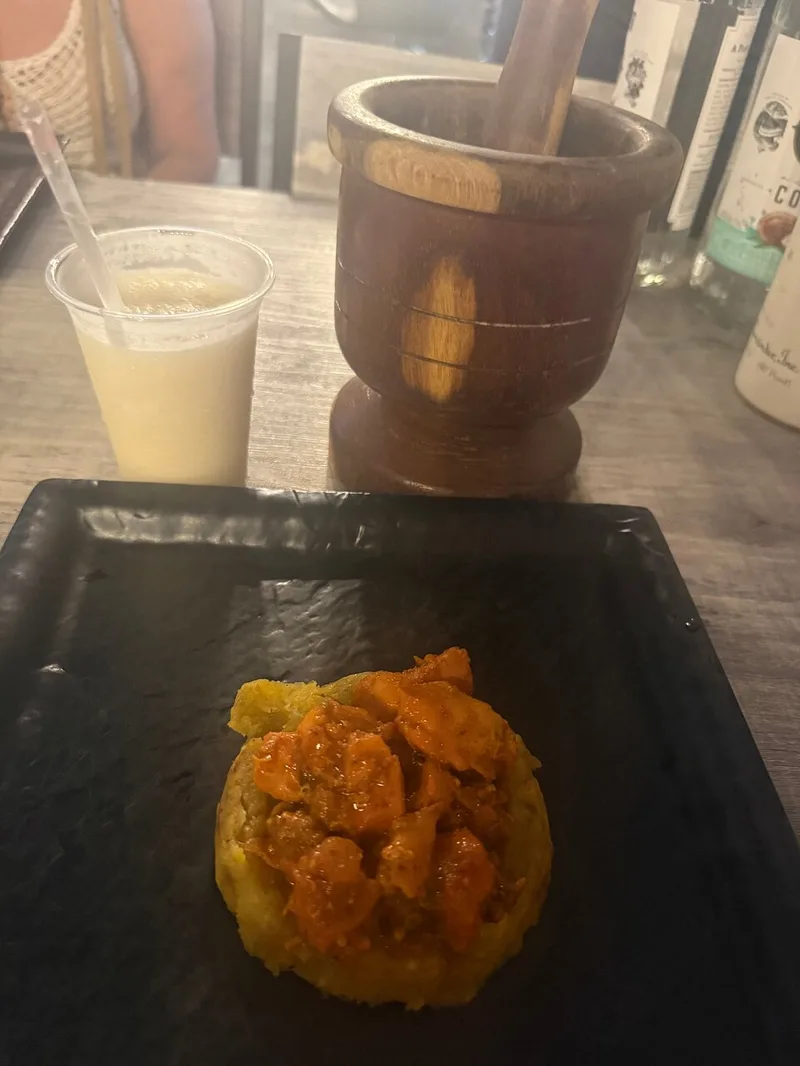
The Wikipedia entry on mofongo describes the mash as shaped into a dense ball, served in or beside broth, often with fried meat or seafood tucked into the top. The earliest known written recipe dates from an 1859 cookbook as "mofongo criollo". Order it made to order: it is best hot, and the plantain dries out if it sits.
A guest on the sunset walk singled out the chicken and yuca mofongo with garlic sauce as a highlight, and the 7-tasting walk lists mofongo with chicken among its stops.
What are alcapurrias, bacalaítos and pastelillos?
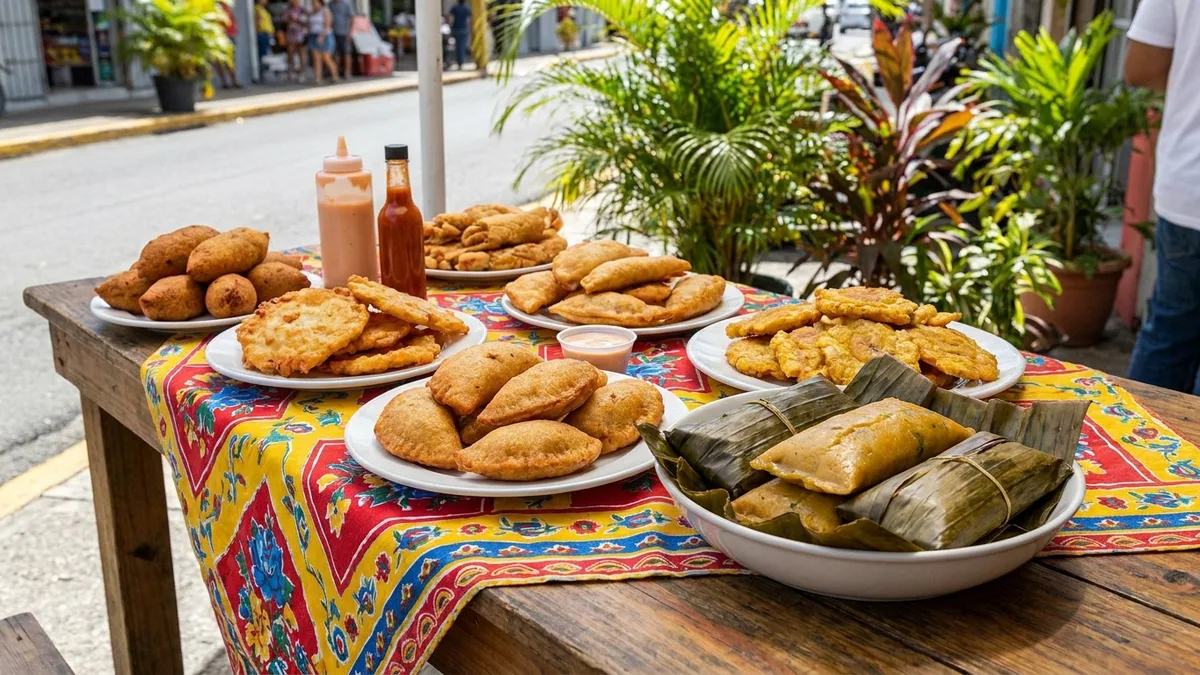
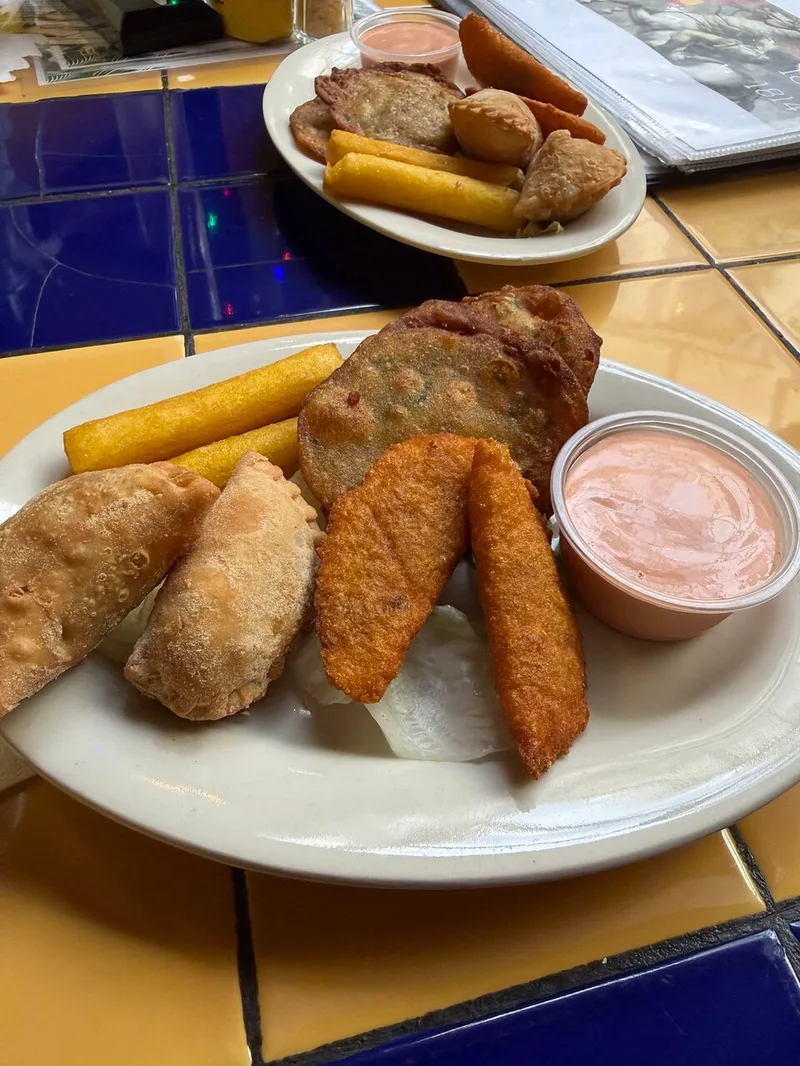
Three fried snacks: banana-and-yautía fritters with meat, salt-cod fritters and turnovers.
The Wikipedia entry on alcapurrias describes alcapurrias as made from green banana and grated yautía, filled most often with picadillo or corned beef, and hot and brittle when fresh. The Secret Food Tours street food article adds that you find them from carts along Calle San Sebastián and near the waterfront at Paseo de la Princesa, and that bacalaítos, thin crispy salt-cod fritters, lose their crunch fast, so eat them straight from the fryer.
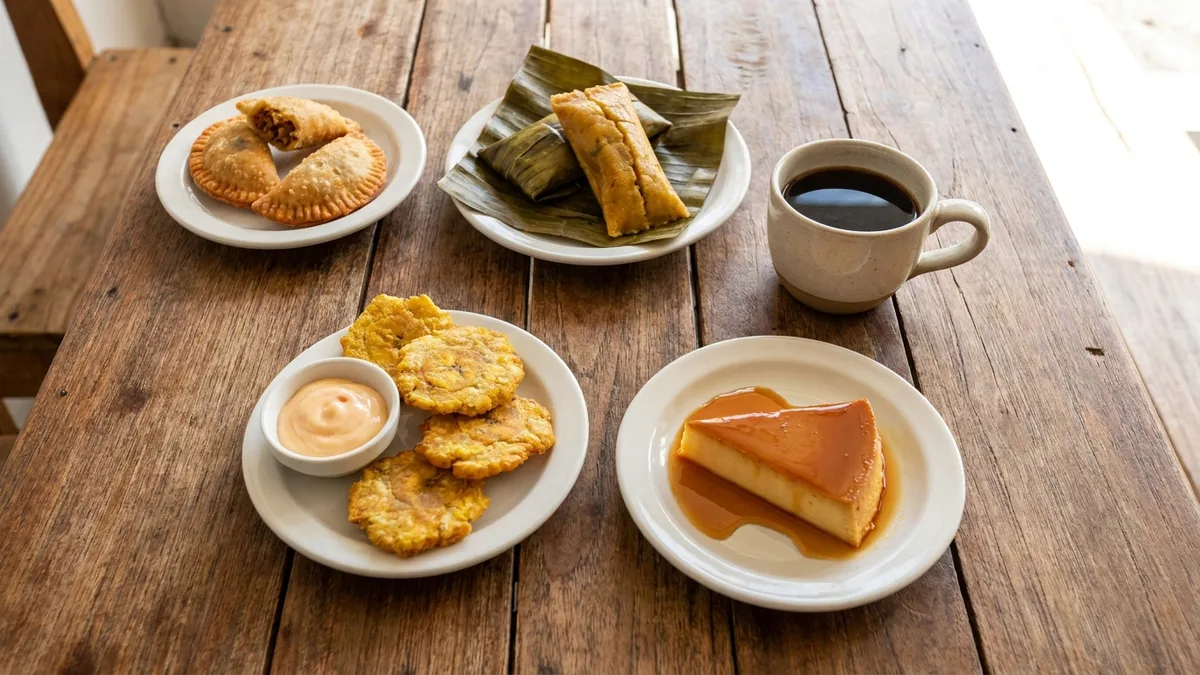
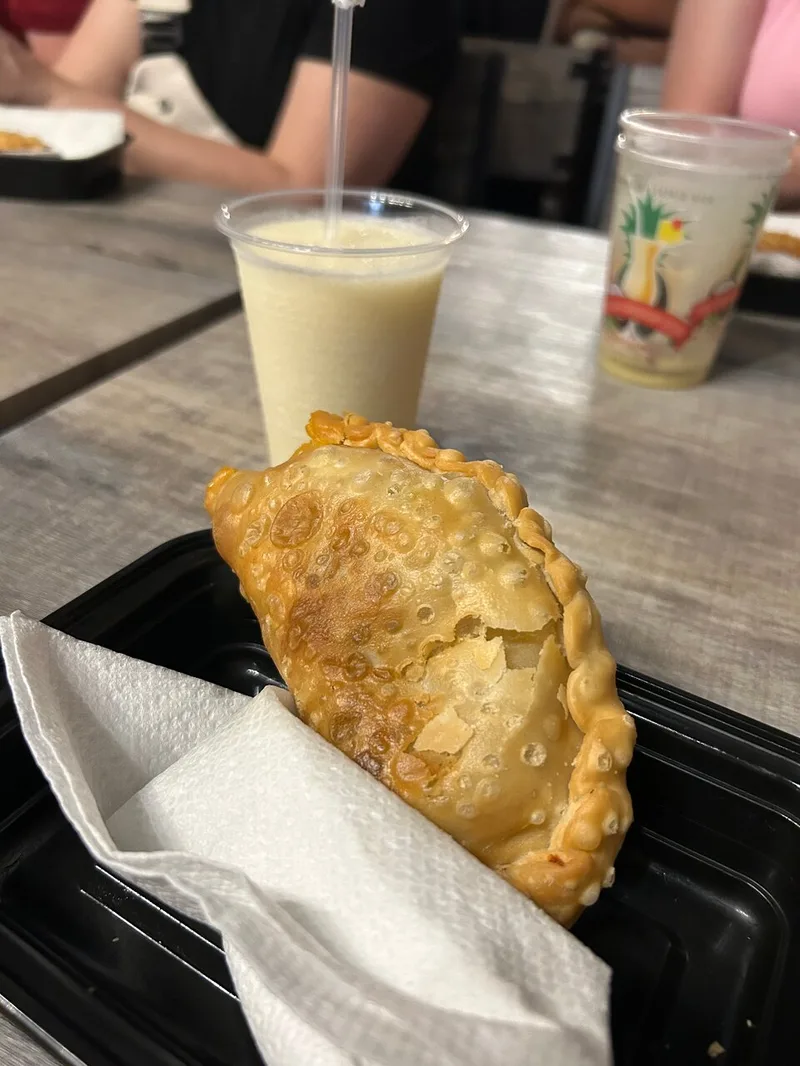
Empanadillas and pastelillos are crescent-shaped fried turnovers with meat, cheese or seafood, and the same article places them near Plaza Colón and the cruise piers. The piña colada tour guests posted photos of a golden empanadilla beside the drink.
What are pasteles, and when do you eat them?
Pasteles are boiled parcels of banana or root masa with a savoury filling, wrapped in banana leaf, and they belong to Christmas.
The Plate PR article on the pastel calls the pastel a central part of the food culture and a traditional holiday dish from Christmas Eve through Three Kings Day, with each family keeping its own recipe. Pork is the usual filling, so vegetarians should ask before taking one.
You can meet them outside December: the 7-tasting walk lists pasteles de cerdo, described as stewed pork steamed in banana leaf, and a guest on the morning walk photographed one beside rice and beans.
What is a mallorca, and what is a quesito?
A mallorca is a sweet, buttery roll dusted with sugar, and a quesito is a flaky pastry filled with sweet cream cheese.
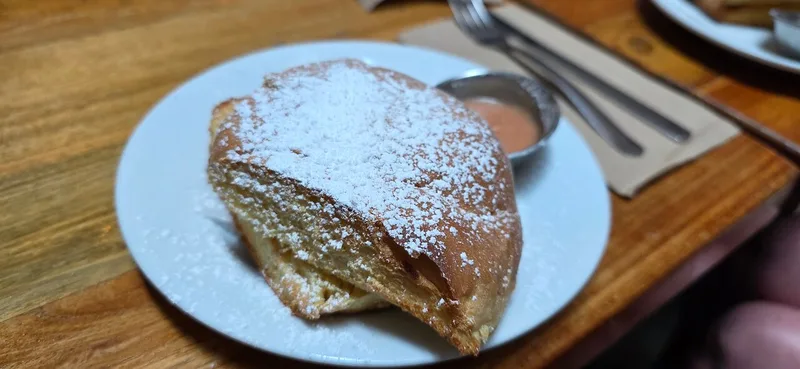
The Discover Puerto Rico pastry guide describes both as staples of the island's bakeries, and the mallorca is tied to Old San Juan's café culture. The 7-tasting walk opens its tasting list with a mallorca with guava, and guests photograph the sugar-dusted pastry at the table.
Quesitos come with plain cream cheese, with guava or with coconut. Both pastries suit a morning stop with coffee rather than a dinner course, which is why the morning tours lean on them.
What else should you try: tostones, rice and beans, tembleque, piraguas?
Tostones, rice and beans and a cold piragua cover the savoury and the sweet.
Tostones are twice-fried green plantain slices, usually served with a garlic or mayo-ketchup dip, and rice and beans is the daily side almost everywhere. Tembleque is a coconut pudding sold in the bakeries of the old city. A piragua is shaved ice with fruit syrup, sold from carts, and the one hand-shaved is the traditional version.
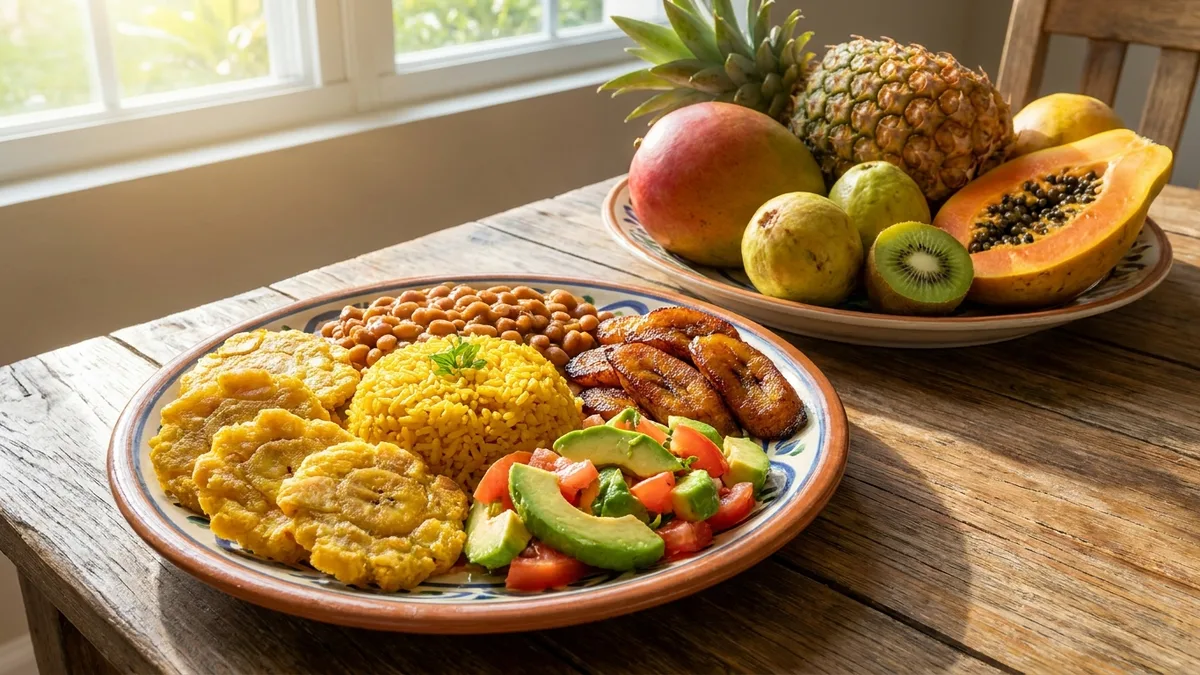
A guest on the morning walk shows a plate of rice, red beans and a fried plantain beside a leaf-wrapped pastel. Ask how the beans were cooked: many kitchens use pork.
Which coffee should you order in Old San Juan?
A cortado or a café con leche, because Puerto Rico grows its own beans and the old city serves them well.
The 7-tasting walk lists a specialty cortado made with beans grown in Puerto Rico's mountains, and photos from Flavors and the piña colada tour show latte-art cups at the coffee stops. A cortado is a small strong shot cut with milk, and a café con leche is the milkier cup that goes with a morning pastry.
A mallorca with guava, pasteles, mofongo and a cortado in one walk, with a small group of 12 or fewer.
Check dates for the 7-tasting Old San Juan food walkWho invented the piña colada: Caribe Hilton or Barrachina?
Both claim it. The Caribe Hilton credits Ramón "Monchito" Marrero in 1954, and Barrachina in Old San Juan credits Ramón Portas Mingot in 1963.
The Wikipedia article on the piña colada sets out the rivals: the Caribe Hilton's version began as a non-alcoholic snack-bar drink with coconut cream, pineapple juice and ice cream, and rum was added later. A Spaniard, Ricardo García, also claims 1953 at the same hotel. Barrachina, on Calle Fortaleza in the old city, credits its bartender with a 1963 invention. Puerto Rico proclaimed the drink its official one in 1978.
The date favours the Hilton, but the old city keeps the argument alive: order one at Barrachina to judge for yourself. The walking tour with piña colada puts the drink in its title, and guests on the golf cart tour praised the colada.
Which food tour covers the most dishes?
The sunset walk has the most stops, the 7-tasting walk the clearest list, and Flavors the biggest meal.
The sunset walk lists 4 to 5 stops and up to 10 tastings, the piña colada tour lists 8, and the 7-tasting walk names every one of its 7. Flavors lists food enough for a meal and one rum cocktail, and the La Perla tour adds meals, snacks and coffee in a neighbourhood the other tours skip.
A four-course food and history walk that adds the La Perla neighbourhood, with meals, snacks, coffee and drinks.
Explore the Old San Juan and La Perla food tourFrequently asked questions
What is the national dish of Puerto Rico?
Mofongo, mashed fried plantain with garlic and pork cracklings, often served with broth. The 7-tasting walk includes one with chicken.
What do you eat for breakfast in Old San Juan?
A mallorca or a quesito with a cortado or café con leche, from a bakery counter.
When do people eat pasteles?
Mostly from Christmas Eve to Three Kings Day, though some stops serve them all year.
Who invented the piña colada?
The Caribe Hilton credits a 1954 creation by Ramón Marrero, and Barrachina credits one in 1963 by Ramón Portas Mingot. Both are celebrated in San Juan.
Ready to book
Choose your food tour
Every option here can be cancelled for a full refund; the deadline is on each listing. Prices are from-prices in USD and move with the season.
Old San Juan Food Tour with 7 Tastings
- About 3 hours on foot, starting at Plaza Colón
- Mallorca con guayaba, a sweet bread roll with guava
- Pasteles de cerdo, stewed pork steamed in banana leaf
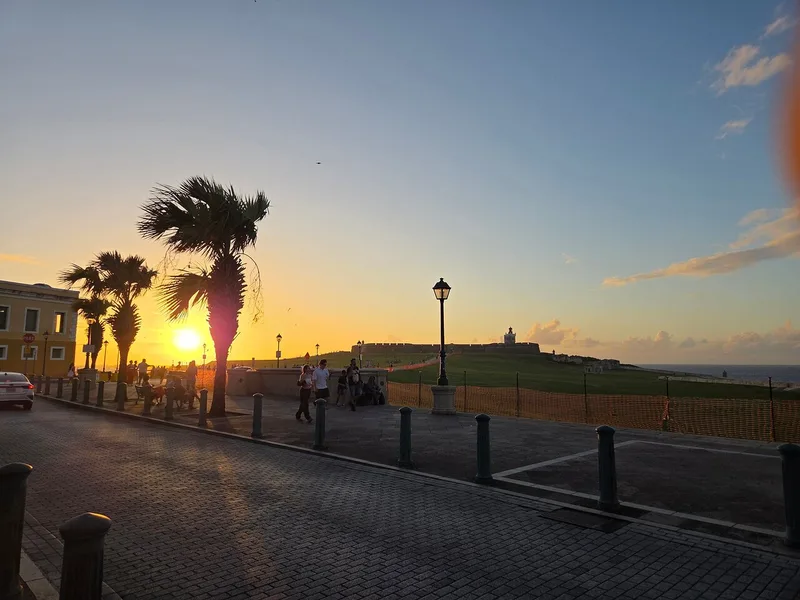
Savor the Sunset: Old San Juan Walking Food Tour
- About 3 hours on foot with a local, multilingual guide
- 4 to 5 stops and up to 10 tastings
- Alcoholic beverages
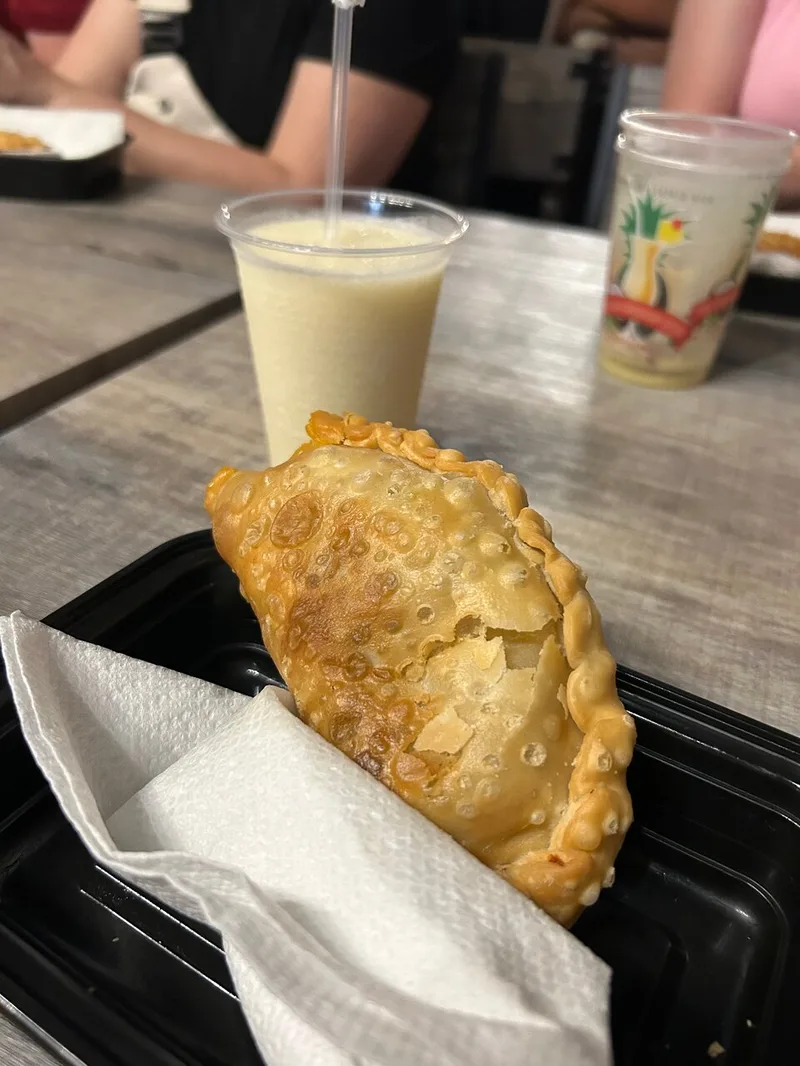
Old San Juan Food Tour with Piña Colada
Eight tastings and a piña colada on the lowest-fare full food walk